



Wellcome and Introduction to DELTA (pdf)
Wellcome and Introduction to DELTA
-
- 0 Rating
- 0 Reviews
- 1 Students Enrolled
Wellcome and Introduction to DELTA
Intro covers logistics and points to materials on GitHub and Quantinar, backed by a curated mix of books, papers, blogs, and videos for self-study. Background expected: BADS-level ML workflow and Python; sources are credited and materials may change over time.
-
- 0 Rating
- 0 Reviews
- 1 Students Enrolled
Courselet Content
3 components
|
|
1.37 M | |
|
Wellcome and Introduction to DELTA (video)
|
91 min |
Requirements
- see DELTA course requirements
General Overview
Description
Welcome & organization outlines the course flow, assessment, and where to find everything. Core materials—slides, notebooks, datasets, and solutions—are hosted on GitHub and here on Quantinar. Self-study support includes a curated, evolving list of books, papers, blogs, and short videos aligned with each unit. Prerequisites assume familiarity with standard ML workflows (i.e., BADS) and working knowledge of Python. Credits & disclaimer acknowledge community and academic sources; content is for educational use and may evolve, with external links subject to change.
Courses that include this CL
Recommended for you



Meet the instructors !
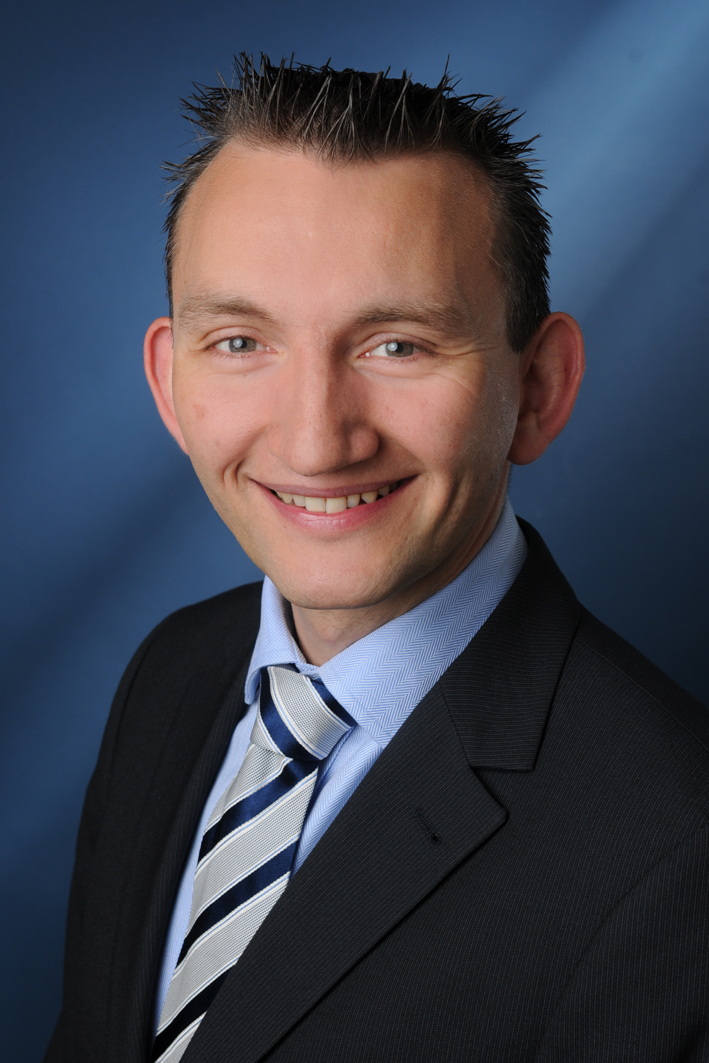
About the Instructor
Stefan received a PhD from the University of Hamburg in 2007, where he also completed his habilitation on decision analysis and support using ensemble forecasting models in 2012. He then joined the Humboldt-University of Berlin in 2014, where he heads the Chair of Information Systems at the School of Business and Economics. He serves as an associate editor for the International Journal of Business Analytics, Digital Finance, and the International Journal of Forecasting, and as department editor of Business and Information System Engineering (BISE). Stefan has secured substantial amounts of research funding and published several papers in leading international journals and conferences. His research concerns the support of managerial decision-making using quantitative empirical methods. He specializes in applications of (deep) machine learning techniques in the broad scope of marketing and risk analytics. Stefan actively participates in knowledge transfer and consulting projects with industry partners; from start-up companies to global players and not-for-profit organizations.