



Stochastic Neighborhood Embedding (pdf)
Stochastic Neighborhood Embedding
-
- 0 Rating
- 0 Reviews
- 5 Students Enrolled
Stochastic Neighborhood Embedding
Stochastic Neighborhood Embedding
-
- 0 Rating
- 0 Reviews
- 5 Students Enrolled
Courselet Content
1 components
|
|
2.4 M |
Requirements
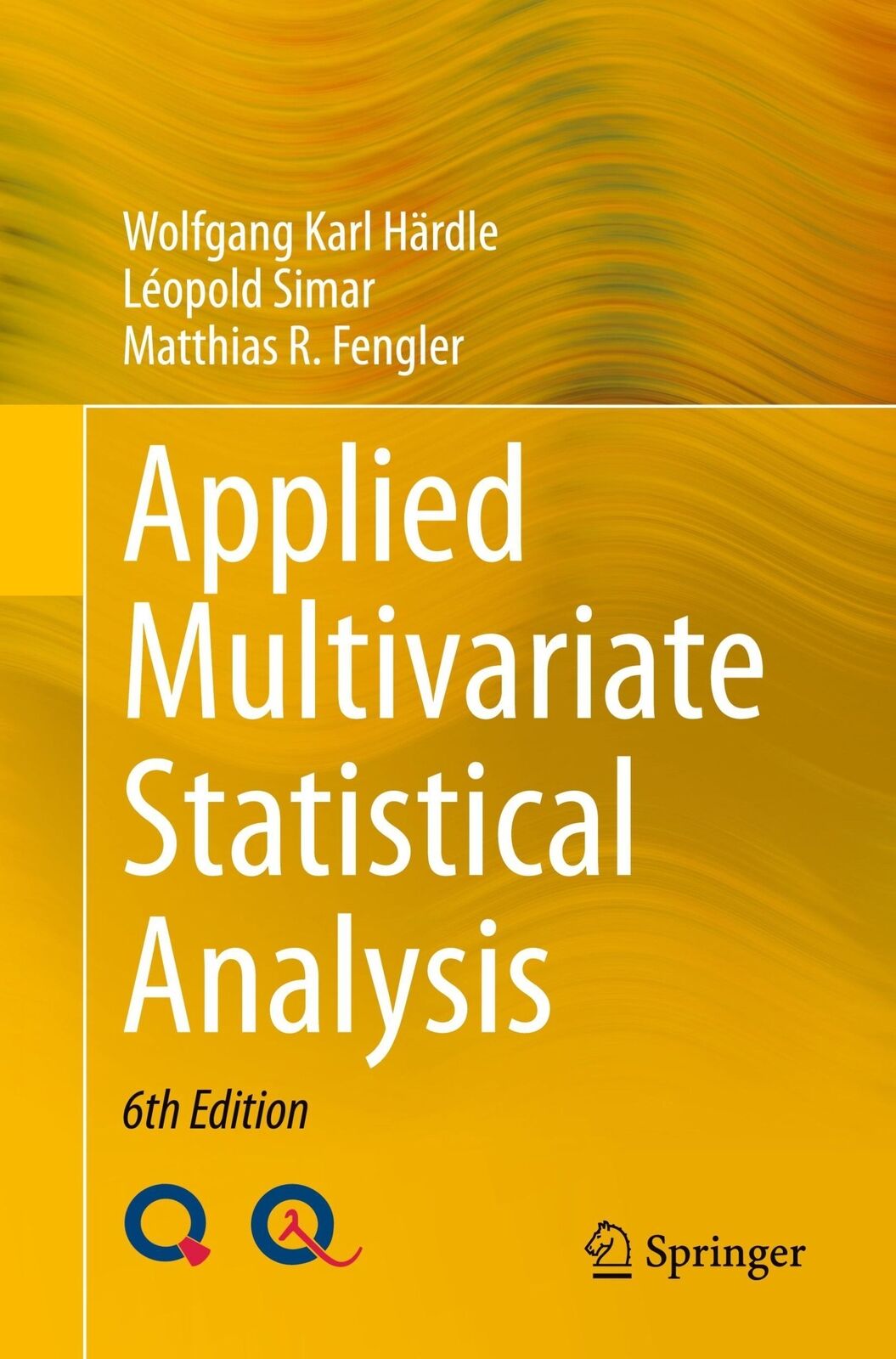
- MVA book
General Overview
Description
Stochastic Neighbor Embedding (SNE) is a nonlinear dimensionality reduction method that models high-dimensional data by converting pairwise distances into conditional probabilities representing neighborhood similarities. Its purpose is to embed data into a lower-dimensional space, typically two or three dimensions, while preserving local structure. Common use cases include data visualization, exploratory data analysis, and uncovering clusters in complex datasets such as images, text, and biological measurements.
Courses that include this CL
Recommended for you



Meet the instructors !

About the Instructor
Matthias Fengler is a full professor of econometrics at the University of St. Gallen, specializing in financial econometrics. He holds a PhD in Quantitative Finance from Humboldt Universität zu Berlin and has experience as both a quantitative analyst and academic. His research focuses on asset pricing, volatility modeling, and risk management. He has published in leading journals such as the Journal of Econometrics, Journal of Financial Econometrics, and Journal of Banking and Finance, and co-authored the sixth edition of Applied Multivariate Statistical Analysis (Springer). His projects include the award-winning “Monitoring Consumption Switzerland,” and his recent work applies machine learning and alternative data, including textual analysis, to financial forecasting.